Month: February 2026

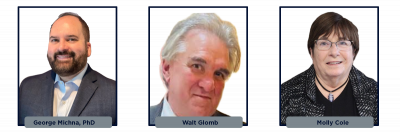
Welcome George Michna, Walt Glomb, & Molly Cole on February 20th for Seminar 5!

CT LEND is pleased to welcome an outstanding group of guest speakers for Seminar 5: System Supports – Post Secondary Support & Legislative Advocacy on February 20, 2026. This seminar will focus on life after high school, highlighting state leadership, family experience, and advocacy perspectives related to adult services, policy, and inclusion for individuals with disabilities.

We are honored to welcome:
George Michna, PhD
Bureau Chief, Department of Aging and Disability Services

Walt Glomb
Director, Connecticut Developmental Disability Council

Molly Cole
Director, Connecticut State Independent Living Council

Nick Glomb
Family Leader

Throughout the day, students will explore:

  • Transition from school-based services to adult systems of support

  • Family perspectives on navigating postsecondary life and services

  • The role of the Developmental Disabilities Council in advocacy and systems change

  • Key legislative issues affecting individuals with disabilities in Connecticut

  • The importance of inclusion through film and discussion, featuring: Including Samuel

By elevating state agency leadership alongside family voices and advocacy organizations, this seminar emphasizes the collaborative systems that support individuals with disabilities as they move into adulthood, and the critical role of legislative advocacy in shaping inclusive communities across Connecticut.
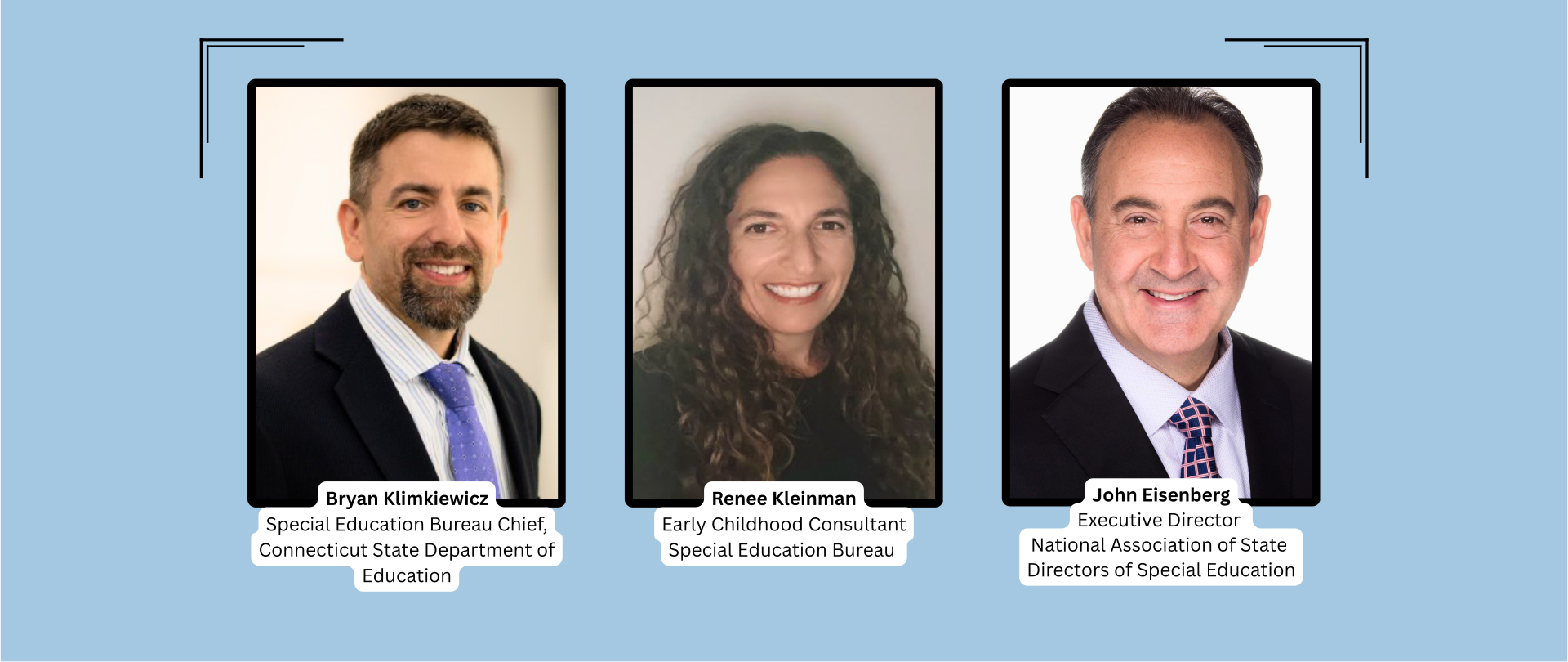
Welcome Bryan Klimkiewicz, Renee Kleinman, Tom Cosker, John Eisenberg, & Courtney Houle!

CT LEND Welcomes Guest Speakers for Seminar 4: System Supports – IDEA & Special Education PreK–12
CT LEND is pleased to welcome an outstanding group of guest speakers for Seminar 4: System Supports – IDEA & Special Education PreK–12 on February 13, 2026. This seminar highlights state and national perspectives on special education policy, practice, and family experience across early childhood and school-age systems.

We are honored to welcome:
Bryan Klimkiewicz
Special Education Bureau Chief, Connecticut State Department of Education
Renee Kleiman
Early Childhood Consultant, Special Education Bureau
Tom Cosker
Parent Advocate
John Eisenberg
Executive Director, National Association of State Directors of Special Education
Courtney Houle
Family Leader
Throughout the day, students will explore:
By elevating leadership perspectives alongside family voices, this seminar emphasizes the collaborative systems that support children and families across Connecticut and beyond.

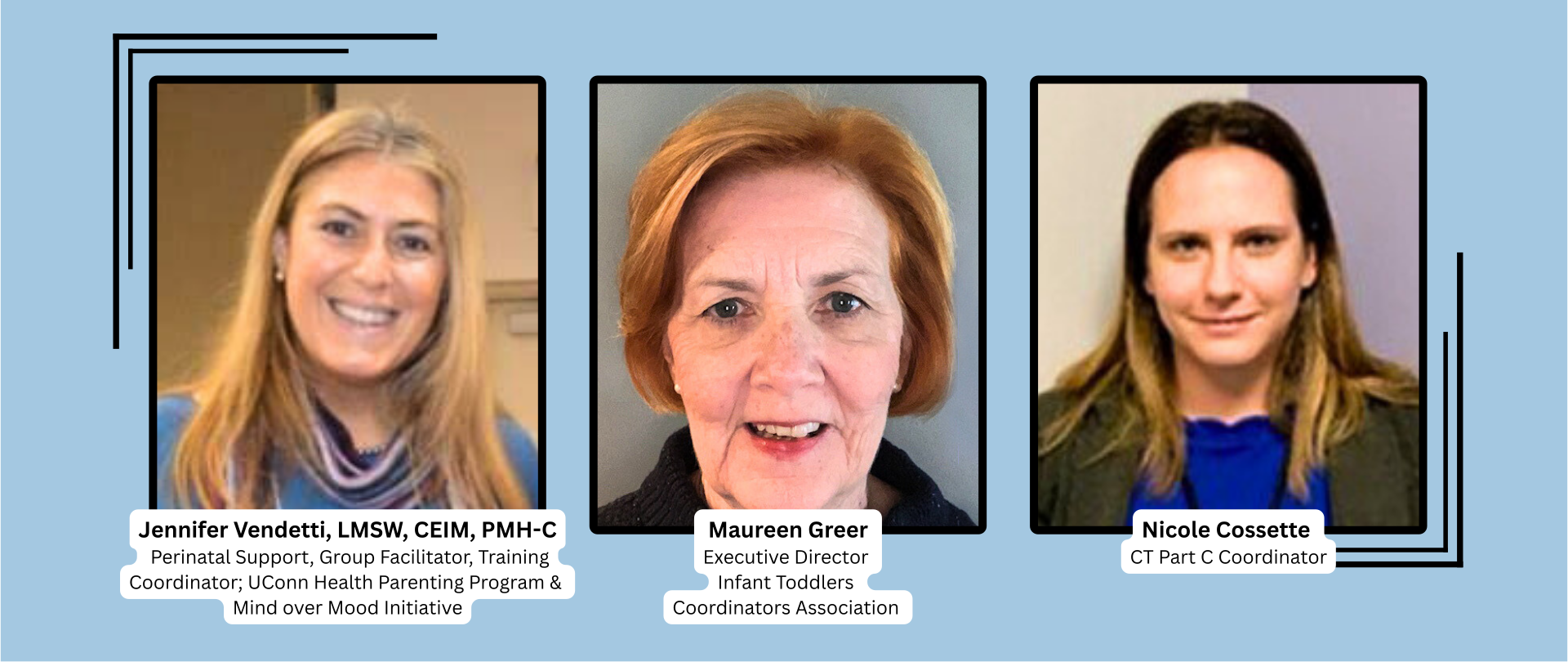
CT LEND Welcomes Jennifer Vendetti, Maureen Greer, and Nicole Cossette – February 6th

On Friday, January 6th, CT LEND is pleased to welcome Jennifer Vendetti, Maureen Greer, and Nicole Cossette for a day centered on system supports for infants and young children.

Jennifer Vendetti, LMSW, CEIM, PMH-C

Topic: Transitions After Birth: The Role of Home Visiting in Family Support
Jennifer Vendetti will explore how home visiting programs support families during the perinatal period and early infancy. Her session will address prenatal and perinatal factors that may pose risks to child development, examine key components of home visiting programs, and highlight how these services connect families to early childhood systems and coordinated supports following birth.

Maureen Greer

Topic: Part C of IDEA: National Perspective
Maureen Greer will provide a national overview of Part C of the Individuals with Disabilities Education Act (IDEA), focusing on the structure and purpose of early intervention systems across states. Her presentation will address the role of service coordinators, define key concepts such as learning opportunities, activity settings, and natural environments, and examine how Part C supports infants, toddlers, and families nationwide.

Nicole Cossette

Topic: Part C of IDEA: State Perspective
Nicole Cossette will present Connecticut’s implementation of IDEA Part C, highlighting how national policy is translated into state-level practice. Her session will explore how early intervention services are coordinated locally, clarify differences between the IFSP and IEP, and discuss how family-centered, natural-environment-based practices are carried out to support young children with developmental delays and disabilities.